Particular residues
Interaction calculation
To calculate interactions between particular residues of interest and residues of a protein, you use:
python surface_cont_res.py -f pdb_file.pdb -res res1,res2,res3 -o csv_output.csv -def atomtypes_definition.def -dat atomtypes_interactions.dat
that will provide a calculation of the interactions between the residues of interest (written as resName-numRes-chainID) and every other residue in the structure, including intrachain interactions.
Visual output
To generate a pymol session visually presenting the calculated results, you might use:
python image_surfaces.py -f pdb_file.pdb -c csv_output.csv -o pymol_session_output.pse
or utilize extra customizations that are better explained at Customizations.
Example application
For our particular residue application, we will use the SARS-CoV-2 Spike containing the D614G mutation (PDB ID 7EAZ), which is now known to contribute to evolutionary fitness through various molecular mechanisms. Using the Surfaces functions, we will be able to evaluate both intra- and interchain interactions of the residue in question, GLY614, to assess possible impacts on folding or conformational equilibrium that may be connected to transmissibility.
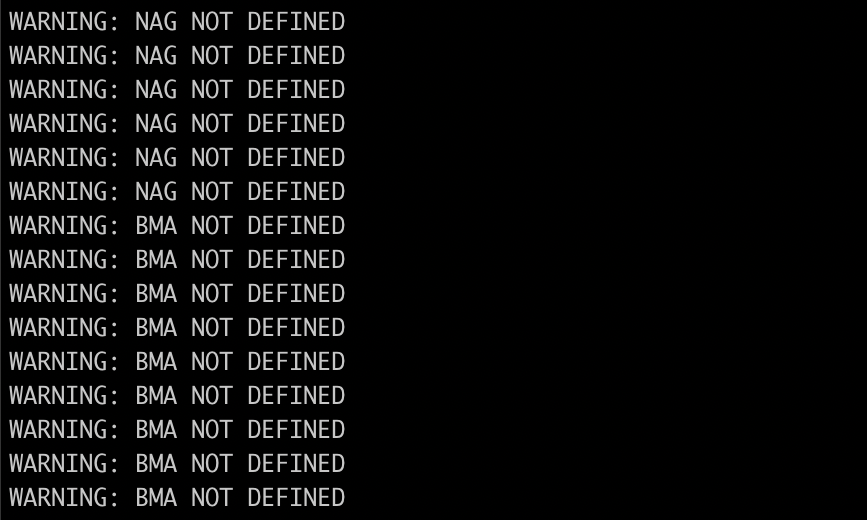
First we need to clean the structure from any non-defined atom, such as heteroatoms - in the case of this example, NAG and BMA atoms:
python clean_structure.py -f 7EAZ.pdb -def AMINO_FlexAID.def
And you will have created the clean_7EAZ.pdb file.
Now, for the interactions evaluation, you will use:
python surface_cont_res.py -f clean_7EAZ.pdb -res GLY614A,GLY614B,GLY614C -o 7EAZ_output.csv -def AMINO_FlexAID.def -dat FlexAID.dat
With the residue of interest specified for each chain in which it exists. And now you have created the output file 7EAZ_output.csv with the pairwise interactions of the residues GLY614A, GLY614B and GLY614C and all residues from Spike - this file mostly consists of zeros because most pairs are not interacting -, as well as the file List_7EAZ_output.txt, with a list of the existing interactions ranked by absolute value.


To map this evaluation back to the structure and visually check your results, you can run:
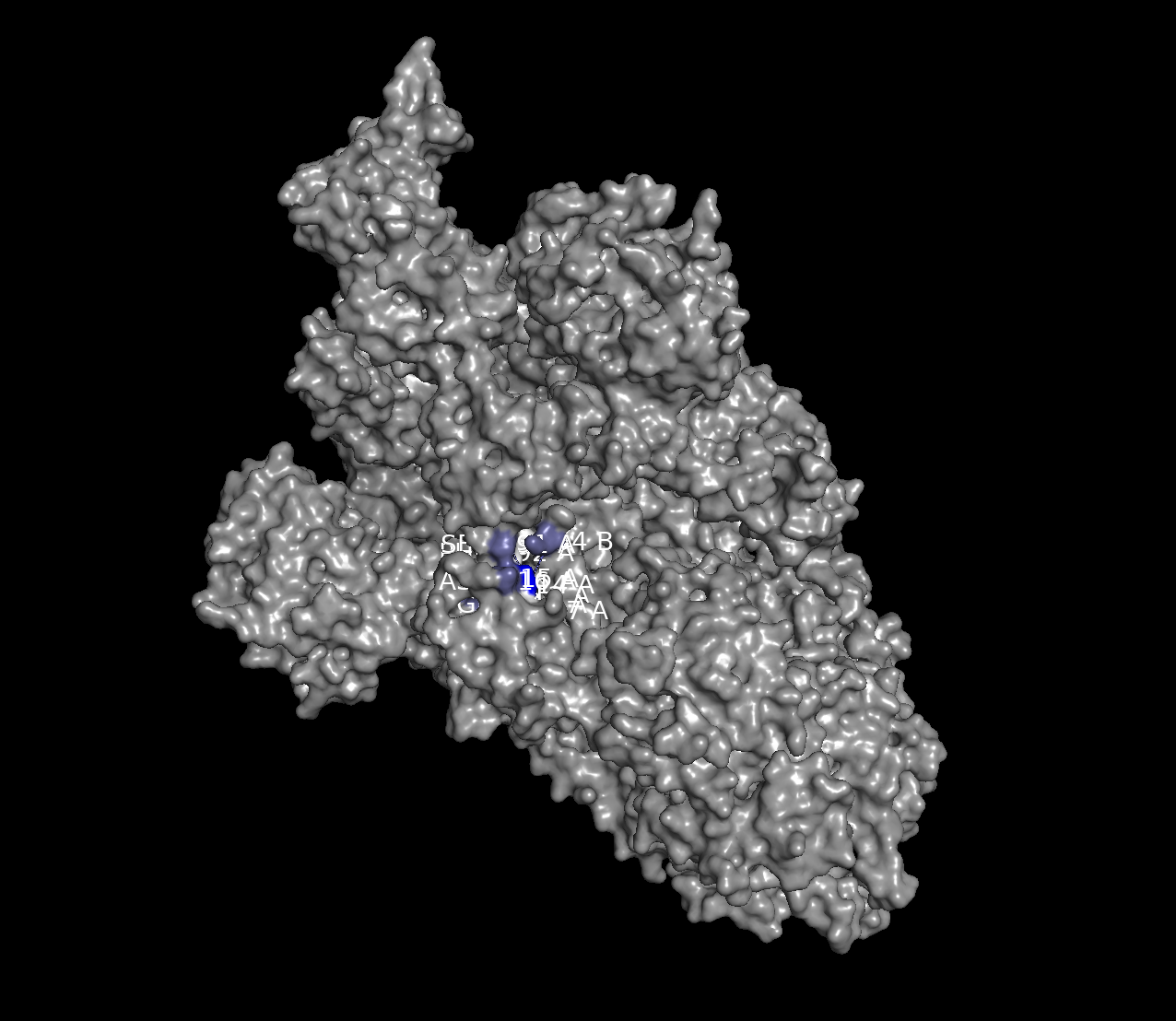
python image_surfaces.py -f clean_7EAZ.pdb -c 7EAZ_output.csv -o 7EAZ_visual_output.pse -res GLY614A,GLY614B,GLY614C
Now you have a representation of your results in the pymol session 7EAZ_visual_output.pse. All the existing interactions are represented and saved as enabled objects due to the specification of the residues of interes using -res - to know more about it, check the Customizations page. The color scale goes from red for unfavorable interactions, to blue for the favorable ones, and is automatically determined based on the largest absolute value - which is also Customizable.
Tip
You can also run the visual output step inside the Pymol interface and avoid issues with the Pymol API. For that, you must install the dependencies inside the Pymol environment:
cd Surfaces
pip install -r dependencies.txt
Run the pymol_image_surfaces.py script either using the interface button or directly from the Pymol prompt:
run pymol_image_surfaces.py
And then use the generate_session function:
generate_session("clean_7EAZ.pdb", "7EAZ_output.csv", residues_of_interest="GLY614A,GLY614B,GLY614C")